Clocking In on a Tuesday: How Midweek Gigs Became a Musician's Actual Paycheck

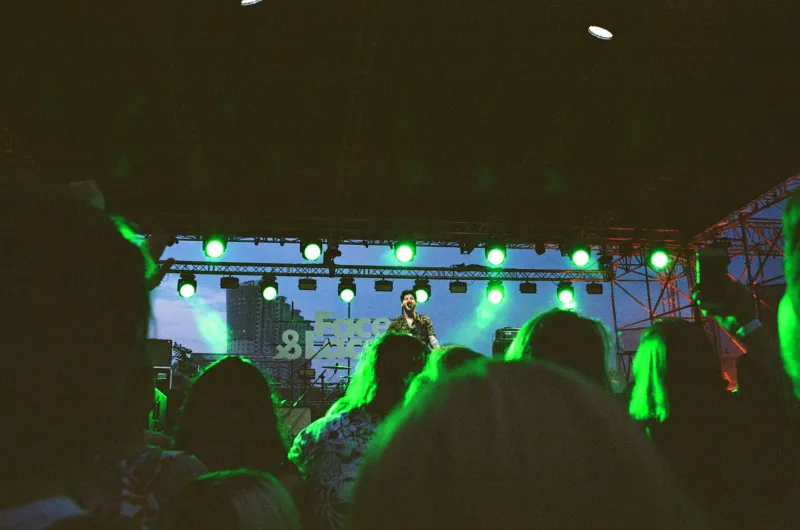
Ask any musician what their dream gig looks like and they'll probably describe something on a Saturday — packed room, long bar lines, the kind of crowd that shows up ready. But spend a few weeks actually talking to working artists about where their money comes from, and a different picture starts to emerge. Tuesday. Wednesday. Thursday. The nights most people associate with leftovers and early bedtimes are quietly becoming the economic backbone of local music scenes across the country.
This isn't a feel-good story about scrappy underdogs. It's a real shift in how venues book, how fans attend, and how artists are structuring their entire careers around a calendar that looks nothing like the one their heroes grew up playing.
The Numbers Don't Lie (Even When They're Surprising)
Venue booking data from mid-sized markets — think Columbus, Richmond, Albuquerque, Spokane — tells a consistent story. Midweek show volume has climbed steadily over the past several years, with many independent venues now running programmed events four or five nights a week instead of the traditional Friday-Saturday model. That expansion didn't happen because clubs suddenly got generous. It happened because the economics started making sense.
Weekend slots at established venues come with higher overhead. Sound techs get weekend rates. Bar staff is stretched thin. Promoters charge more. The margin for an opening act on a Friday is often thinner than it looks from the outside, especially once you factor in the cut that goes to the headliner and the house. A Tuesday show at the same venue, by contrast, operates on a leaner cost structure — and in many cases, artists are walking away with a larger percentage of a smaller door than they'd see from a weekend night where the math works against them.
"I played a Friday show last spring that drew maybe 180 people and I made $90," says one Nashville-based singer-songwriter who asked to remain anonymous because she still plays weekend bills with those same promoters. "The Tuesday before that, I headlined a room with 60 people and made $340. The math on weekends is not what people think it is."
Booking Patterns Are Shifting — And Artists Are Noticing
Booking agents and independent promoters are increasingly treating Tuesday through Thursday as a legitimate development lane for emerging artists rather than a consolation prize. The logic is straightforward: a newer act playing a Wednesday night to a 75-person crowd that actually chose to come out on a school night is performing for a more engaged, self-selected audience than the same act opening for a bigger name on a Friday when half the room is still at dinner.
That engagement translates into real career metrics. Mailing list signups, merch sales per head, and social media follows after midweek shows consistently outperform what artists report from weekend openers, according to conversations with several independent booking managers. The people who show up on a Tuesday made a decision. They're not there by accident.
Venues have picked up on this too. Some clubs in cities like Portland and Denver have started structuring their midweek programming as curated series — themed nights, genre-specific lineups, recurring monthly formats — which gives artists something to build an audience around rather than a one-off slot that disappears into the noise.
What a Sustainable Midweek Career Actually Looks Like
For Marcus Delray, a blues-adjacent guitarist based in Memphis who has been gigging professionally for about six years, the shift toward midweek work wasn't a choice so much as a discovery. "I used to fight for weekend slots like everyone else. Then I started taking the Wednesday offers just to stay busy, and after about a year I realized those were my best months."
Delray now plays three to four midweek shows per week across a rotation of venues within a two-hour drive, supplementing with the occasional weekend festival date. His setup isn't glamorous — a lot of bar gigs, some restaurant residencies, a few listening room spots — but it's consistent. "I have health insurance now," he says, with the kind of emphasis that makes clear how significant that sentence is. "I'm not rich. But I'm a working musician. That's all I ever wanted."
His experience reflects a broader pattern. Artists who have leaned into midweek gigging often describe building what amounts to a regional circuit — a rotating set of venues that book them reliably, audiences that treat Tuesday night as their dedicated live music night, and a financial model that depends on volume and consistency rather than the lottery of a big weekend draw.
The Catch Nobody Talks About
It would be dishonest to frame all of this as pure upside. Midweek gigging at this level is grueling in ways that weekend-focused careers aren't. You're playing on nights when most of your friends are watching TV. Load-in at 7pm on a Wednesday means you're home by midnight if you're lucky, then up for whatever day job still fills the gaps, then doing it again Thursday. The physical and social toll is real.
There's also a ceiling. Midweek residencies and bar circuits are excellent for sustaining a career at a certain level, but they don't always build the kind of momentum that leads to bigger opportunities. Industry gatekeepers — labels, larger booking agencies, festival talent buyers — still largely operate in a weekend-centric world. An artist who has built a devoted Tuesday night following might find it harder to translate that into a Coachella stage conversation than someone who's been grinding the weekend circuit.
Still, for a significant and growing portion of working musicians, the goal isn't Coachella. It's rent, health insurance, and enough left over to keep making music. By that measure, Tuesday is delivering.
What This Means for the Rest of Us
If you're someone who shows up to live music regularly, the midweek economy is actually great news. The shows are less crowded, the artists are hungry to connect, and your ticket money is going further toward actually sustaining the people on stage. That's a different value proposition than the weekend festival circuit, and it's one worth paying attention to.
Next time you're scrolling through your city's event listings and you see a Wednesday night show from a name you half-recognize, consider the fact that your $12 cover and your actual presence in that room might be the thing that keeps someone's music career alive for another month. That's not a guilt trip — it's just the reality of how local music economies work right now.
The weeknight opener isn't a stepping stone anymore. For a lot of people, it's the whole job. And honestly? That job is starting to pay.