So Your Favorite Venue Just Died: A Survival Guide for the Heartbroken Regular
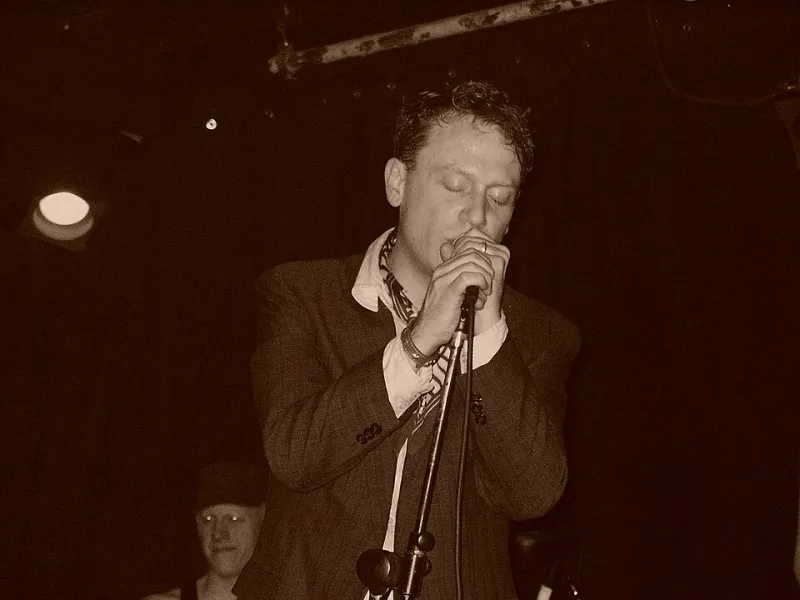
Photo: Codo, CC BY-SA 2.0, via Wikimedia Commons
The Night You Walk Up and the Lights Are Off
Maybe you found out through a sad Instagram post. Maybe you showed up on a Friday expecting the usual—the sticky floors, the bartender who already knew your order, the corner spot near the speakers—and instead found a padlock or a paper sign taped to the door. Either way, something that was woven into your regular life just disappeared, and nobody really talks about how weird that feels.
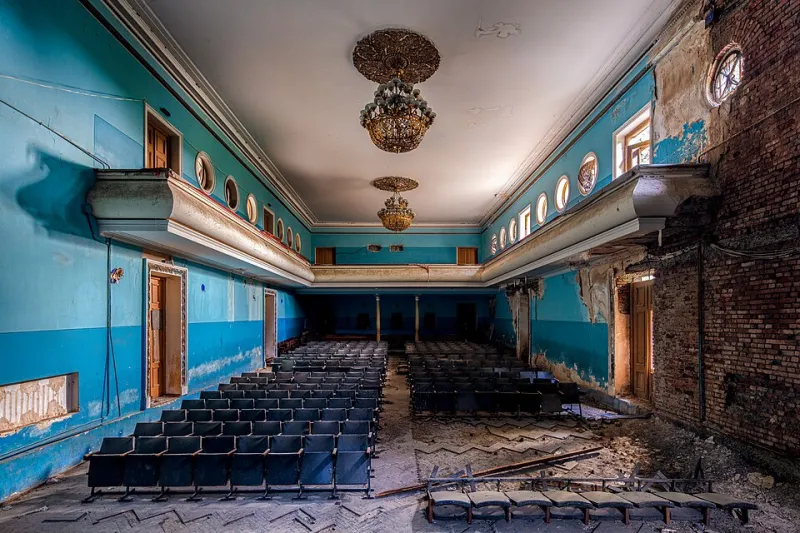
Venue loss is one of those quietly devastating things that happens constantly in American cities, yet rarely gets treated with the seriousness it deserves. We lose local music clubs to rising rents. Historic theaters get converted into luxury condos. That perfectly imperfect dive bar gets "refreshed" into a high-gloss cocktail lounge with QR code menus and no personality. The physical space changes, but you're still carrying the version of it that existed in your memory.
And honestly? That's worth sitting with for a minute before you start Googling replacements.
Why It Hurts More Than It Should (And Why That's Fine)
There's a reason venue loyalty runs deep. Places accumulate meaning over time in a way that's hard to explain rationally. You saw your first real concert there. You celebrated a promotion, survived a bad breakup, discovered a band that became your whole personality for two years. The venue itself becomes a kind of emotional storage unit—every show you attended is somehow still living inside those walls.
Psychologists have a term for this: place attachment. It's the emotional bond between people and meaningful locations, and it's remarkably strong. When a space is altered or erased, the grief response can mirror actual loss. That sounds dramatic until it happens to you.
Longtime attendees across the country describe the same arc. There's disbelief first—checking the website, refreshing the socials, convincing yourself it's temporary. Then comes bargaining, usually in the form of showing up anyway, as if your physical presence might reverse the decision. Eventually, there's something that looks like acceptance, though it often comes with a side of low-grade resentment.
"I still drive by the building sometimes," says Marcus, a Chicago-based regular who lost his neighborhood jazz club of eight years to a restaurant conversion. "The music is gone, but I keep expecting to see the marquee lit up. It's like a phantom limb."
The Nostalgia Trap Is Real and It Will Ruin Your Nightlife
Here's the thing about grief, though: it can curdle into something less useful if you let it run the show too long. The nostalgia trap is when the memory of a place becomes so precious that nothing else can compete. You spend the next two years comparing every new venue to the one you lost, and surprise—nothing measures up, because nothing is supposed to. You're not actually evaluating new places on their own terms. You're auditing them against a ghost.
This is how people stop going out entirely. Not because their city ran out of good venues, but because they stopped being willing to let new ones earn a place in their rotation.
The renovation problem is its own specific flavor of this. A venue that closes completely is at least clean—it's gone, and you can mourn it properly. But a venue that gets renovated beyond recognition? That's a slow-motion identity theft. The name stays the same. The address stays the same. But the exposed brick got painted over, the sound system got swapped for something crisp and soulless, and the booker who used to take chances on weird local acts got replaced by someone who only does cover bands and corporate happy hours. You're haunting a place that technically still exists.
Knowing the difference between honoring a memory and being held hostage by it is the real work here.
Rebuilding Your Calendar Around a Shifting Map
Practically speaking, venue loss forces a kind of audit of your whole entertainment routine. A lot of us are creatures of habit in ways we don't fully realize until the habit gets disrupted. You went to that venue because it was a ten-minute drive, because they had good sound, because the crowd was your crowd. Now you have to reverse-engineer those preferences and find somewhere that checks enough of the same boxes.
A few things that actually help:
Follow the staff, not just the space. Bookers, bartenders, and sound engineers often move to new venues when a place closes. If you loved the programming at a shuttered club, find out where the person who built that programming landed. Odds are, they're rebuilding something similar somewhere else.
Give new places three visits before you judge them. The first time at any venue is awkward. You don't know the layout, the crowd hasn't warmed up, and you're still unconsciously comparing everything to the place you lost. Three visits gives a space a fair shot to reveal what it actually is.
Check what's coming up, not just what's happened. It's easy to memorialize a closed venue by obsessing over its past lineups. Redirect that energy toward discovering what's on the calendar at places you haven't tried yet. The next great spot in your city is already out there hosting shows you don't know about.
Talk to the regulars. Every city has people who treat local venue culture the way sports fans treat their teams—obsessively, loyally, with strong opinions. Find those people at open mic nights, at record stores, in comment sections of local event listings. They know where the energy has migrated.
Cities Change, and So Do You
There's a longer arc here worth acknowledging. The venues that meant everything to you at 24 might not be the venues that fit your life at 34, and that's not a tragedy—it's just time doing its thing. Cities are living systems. Neighborhoods shift, demographics change, rents fluctuate, and the entertainment landscape reshapes itself constantly in response. Trying to freeze any particular moment of that landscape is a losing game.
The places worth grieving are the ones that served a real community function—that gave local artists somewhere to develop, that kept ticket prices accessible, that created a room where people from different parts of the city could share the same experience. When those places disappear, the loss is genuinely cultural, not just personal. Acknowledging that distinction matters.
But even then, the response that honors those places best isn't paralysis. It's showing up for whatever comes next—supporting the new venue that's trying to do something similar, buying tickets early for the smaller acts, telling people about the spots that deserve to survive. The regulars who kept your favorite place alive were doing exactly that, every time they walked through the door.
So grieve it properly. Take your time. Then go find the next place that earns a spot in your story.