The Week After: Your City's Festival Hangover Deserves a Game Plan
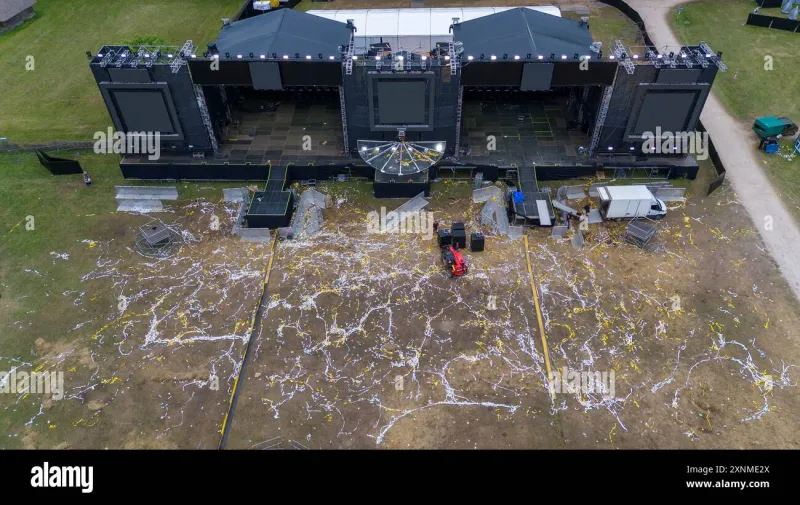
Photo: empty festival grounds after event teardown cleanup, via c8.alamy.com
Every city has one: the annual event that takes over downtown, packs every hotel room, and makes the bar on the corner feel like it's printing money. And every city has the week that follows, when the barricades come down, the tourists evaporate, and that same bar owner stares at an empty Tuesday wondering where everybody went.
We plan festivals obsessively — the booking, the permits, the security, the merchandise. What we almost never plan for is the aftermath. And the aftermath, honestly, is where the real money and the real damage both happen.
The Whiplash Is the Problem
Talk to anyone who runs a bar, a restaurant, or a hotel near a major festival footprint and you'll hear the same rhythm described: a week of chaos, a week of silence. Staff hired for the surge get cut the week after. Inventory ordered for the crowds spoils during the trough. Performers who played to their biggest crowd of the year play to seven people and a bartender the following Wednesday.
The boom-bust cycle isn't just uncomfortable — it actively distorts how local businesses operate. Why invest in building a loyal regular base when your annual survival depends on one weekend of tourists? Why staff for consistency when your revenue looks like a heart monitor? The festival, ironically, can make the surrounding business ecosystem less resilient, not more.
The One-Night-Stand Problem
Here's the uncomfortable truth about festival crowds: most of them came for the festival, not for you. They followed the headliner into town and they'll follow next year's headliner somewhere else. Treating that crowd as your new customer base is like treating a wedding party as regulars at the reception hall bar.
But — and this is where the opportunity lives — some of them don't leave. Or they leave and come back. The question every smart venue and organizer should be asking is: of the ten thousand people who walked past my door that weekend, how many do I have a way to reach on Monday?
What the Smart Operators Do
The venues that convert festival traffic into year-round business tend to do a few unglamorous things well.
They capture the connection during the event, not after. A QR code on the table, a bartender mentioning the weekly trivia night, a flyer in the hotel welcome packet — low-tech, high-conversion. The day-after email blast to festival attendees is one of the highest-open-rate messages in hospitality, because it arrives while the memory is still warm.
They schedule a reason to return. The best move we've seen is the 'festival hangover' show — a deliberately mellow, half-price event the following weekend, marketed specifically to locals who worked the festival and tourists who stuck around. It acknowledges the crash instead of pretending it isn't happening.
They put locals on the bill. The single most effective long-term conversion strategy: use the festival's spotlight to book local openers, then hand those artists a headline slot six weeks later. Their fans follow. Suddenly the festival was an audition, not a finale.
Organizers, This Is on You Too
Festival producers rarely think past strike and teardown. But the cities that host you are keeping score. The organizers who leave behind a directory of local businesses, who require vendors to source locally, who schedule smaller satellite events throughout the year — those are the ones who get their permits renewed without a fight and their community's blessing for free.
The festival that treats its host city like a venue — something to be left intact — builds goodwill no marketing budget can buy. The one that treats it like a porta-potty backdrop builds a coalition of opponents with a year to organize.
The Takeaway
A festival's success shouldn't be measured in that weekend's hotel occupancy. It should be measured in whether the corner bar's February looks better than last February. Plan the aftermath. Book the hangover show. Collect the emails. Put your locals on stage.
The headline act leaves town Saturday night. The question is whether anything they started sticks around by the time the barricades are stacked in a warehouse. That's the real event.