Anatomy of a $450 Wristband: Follow the Money From the Gate to the Port-a-Potty
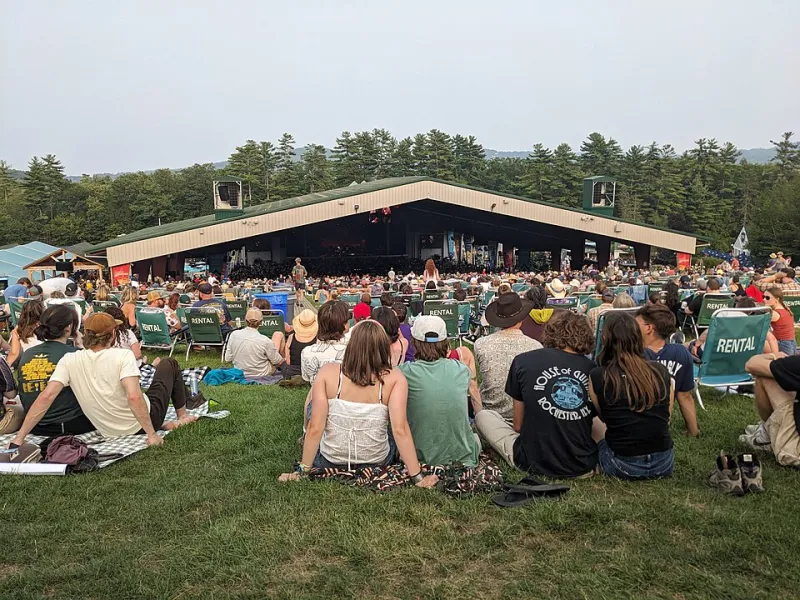
Photo: Artaxerxes, CC BY 4.0, via Wikimedia Commons
Let's do some quick math. You hand over $450 for a three-day wristband, see maybe 20 acts, and walk away sunburned, hoarse, and holding a $16 lemonade. Was that a good deal? The honest answer is that nobody — including the festival — thinks about it the way you do. So let's take the whole machine apart.
Where the Money Actually Goes
The biggest line item surprises most people: it's not the booking fee. Headliners command eye-watering guarantees, sure, but the infrastructure around you costs a fortune before a single artist is paid. Perimeter fencing, staging, lighting rigs, generators, insurance, and security staffing can run into the millions for a mid-size festival. Every fence panel you lean against at 11 PM was rented, delivered, installed, and will be hauled away Sunday night.
Then there's sanitation, the least glamorous and most non-negotiable expense in the business. Port-a-potty contracts are priced per unit per service, and health codes (plus basic crowd sanity) dictate a ratio of units to attendees. A festival that skimps here doesn't get bad reviews — it gets a biohazard and a lawsuit. The toilets are not an afterthought. They're a fixed cost that your ticket subsidizes whether you use them or not.
And the food vendors? Here's the twist: many of them lose money at festivals. Booth fees at major events can run five figures, on top of the vendor's own staffing, inventory, and prep costs. They pay for the foot traffic and the brand exposure, betting that a percentage of the crowd becomes customers back home. That $18 plate isn't gouging — it's survival math on a thin margin.
So Which Ticket Is Actually Worth It?
Now the practical part. Festivals have gotten baroque about tiers — GA, GA+, VIP, platinum, payment plans, layaway, the works. A rough guide to what you're buying:
- General admission is the honest product. You get the show and the crowd, nothing more. For most people, most of the time, this is the right call. The music doesn't know what wristband you're wearing.
- GA+ and mid-tier VIP mostly buy you shorter lines and marginally better real estate — shade structures, slightly cleaner bathrooms, a viewing area that's less of a scrum. If you're going all three days and you're heat-sensitive or hate crowds, the comfort can be worth it. If you're there for one day and planning to be up front anyway, skip it.
- Top-tier packages are for people for whom money is not the constraint. Valet parking, golf cart rides, air-conditioned lounges. Fine, but understand you're buying luxury, not access to better music.
- Day passes are chronically underrated. Most festivals front-load their lineup into one or two strong days. Buying a single day pass for the good day costs a third of the weekend and delivers most of the value.
The Volunteer Loophole
And then there's the option nobody talks about enough: work the festival. Most major events run volunteer programs that trade a shift or two — gate scanning, wayfinding, waste sorting — for free entry, and often meals, merch, and sometimes future-year perks. You'll miss a few sets, yes. You'll also see the festival from the other side of the fence, meet twenty people, and save $450. For anyone on a budget who'd rather be part of the machine than pay for it, it's the best deal on the lot.
The Bottom Line
A festival ticket isn't really a price for music — it's a share of a temporary city that gets built and demolished in a week. Once you see the fencing, the toilets, and the broke hot dog vendor as part of what you're funding, the sticker shock softens a little. Buy smart, pick your day, and maybe sign up for a shift. Your wallet and your feet will both thank you.