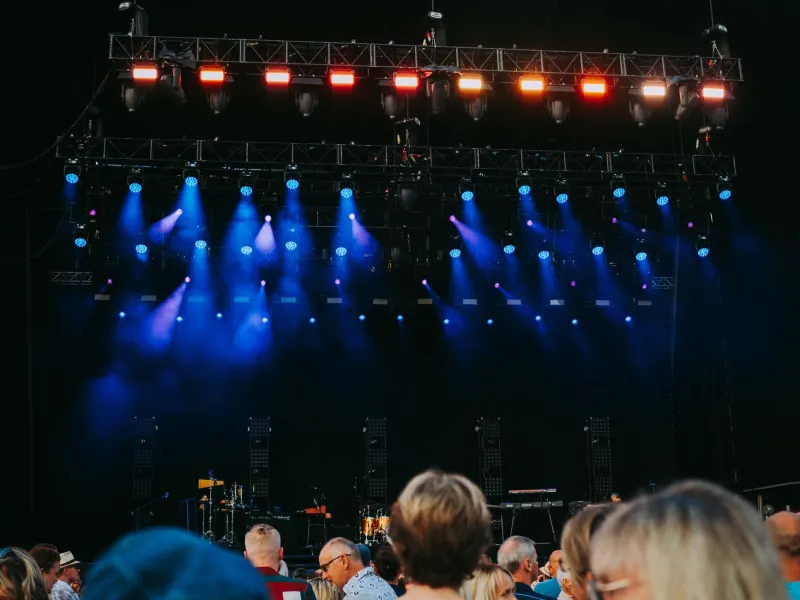
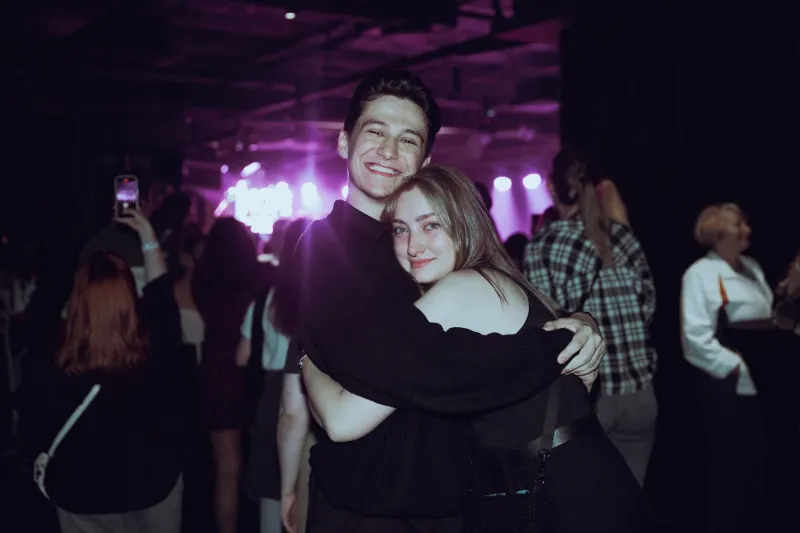
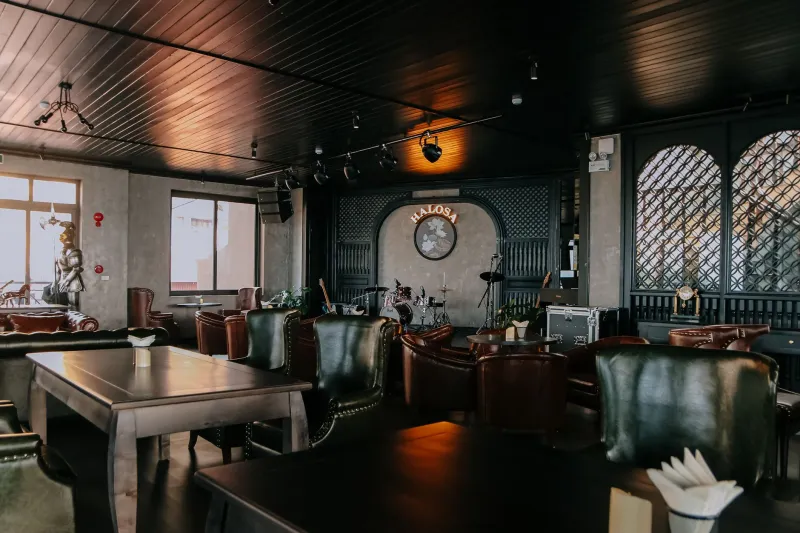
You Know the Bartender's Dog's Name But Can't Remember Your Best Friend's Birthday
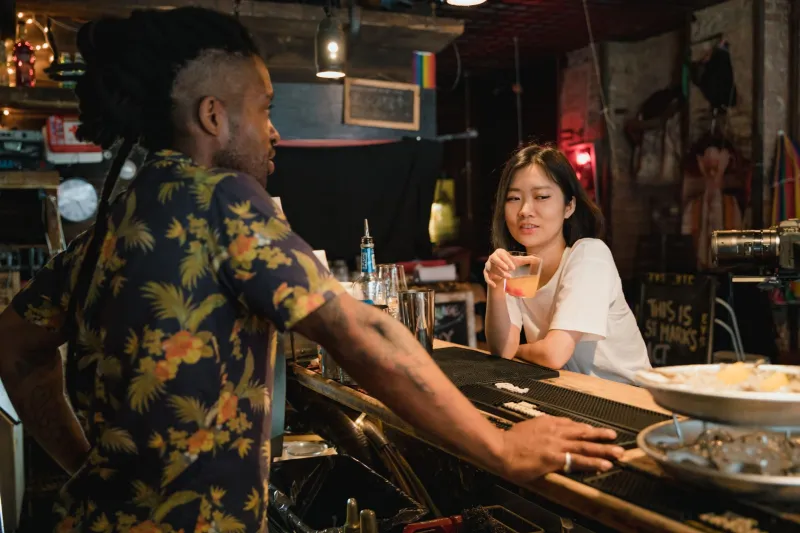
Somewhere between your third and fourth year of showing up to the same spot every Friday, something quietly shifted. The bouncer waves you through before you reach for your ID. The sound tech gives you a nod from behind the board. You know which bartender is going through a breakup, which promoter just landed a big booking, and exactly which corner of the room has the best acoustics. You belong here. And honestly? It feels pretty great.
Until it doesn't.
There's a specific flavor of regular — call them the venue devotee, the embedded local, the place person — who has built something that functions almost exactly like a social life inside the walls of one location. They're not antisocial. They're not lonely in the obvious sense. They're just… deeply, specifically loyal to a single ecosystem. And that ecosystem has quietly started substituting for something else.
The Ecosystem That Feels Like Community
Venues are engineered — sometimes intentionally, sometimes accidentally — to produce a sense of belonging. The layout, the lighting, the consistent rotation of staff, the familiar faces in the crowd: all of it adds up to an environment that rewards return visits emotionally. Neuroscientists will tell you that familiarity itself triggers mild dopamine responses. In plain English: walking into your spot and being recognized feels genuinely, chemically good.
For a lot of regulars, that feeling is what they came for in the first place. Maybe the early visits were about the music, or the happy hour prices, or a friend who used to come along. But over time, the venue itself became the draw. The staff became the cast. The weekly ritual became the anchor.
There's nothing inherently wrong with any of that. Neighborhood bars and music venues have always served as community infrastructure — third places, in the sociological sense, separate from home and work where social identity gets built and maintained. The regulars who keep those places alive are doing something real and valuable.
The question is what happens when the third place starts crowding out the first two.
When Loyalty Becomes a Comfort Loop
Here's a scenario that might sound familiar: Your college roommate is in town for the weekend. There's a loose plan to grab dinner and catch up. But there's also that thing happening at your venue — a local band you've been following, a DJ the promoter told you about personally, the kind of night where you know the energy is going to be right. And the thing is, your roommate would probably understand. They know you're a regular. They've heard about the place.
So you split the night. Or you convince them to come to your spot instead of somewhere neutral. Or — and this is the one worth examining — you just quietly deprioritize the catch-up because the venue feels like less work.
This is the comfort loop in action. Real friendships require maintenance, vulnerability, and the occasional awkward conversation. Venue relationships don't demand any of that. The bartender is always happy to see you because it's literally their job to be happy to see you. The promoter remembers your name because you spend money and fill seats. The regulars you chat with each week are pleasant precisely because the relationship never has to go deeper than pleasant.
None of those people are bad. The connections are real in their own way. But they exist in a context that has a closing time and a cover charge, and they don't require anything from you beyond showing up and being reasonably fun to be around.
The Social Ledger Most Regulars Don't Run
Try this exercise: Write down the last five people you had a genuinely meaningful conversation with. Now write down where those conversations happened. If the venue shows up more than once — if the bartender you talked to last Thursday ranks higher than your sister or your work friend or the person you've been meaning to call back — that's worth sitting with.
It doesn't mean you need to stop going out or that your venue relationships aren't valuable. It means the ledger might be tilted in a direction you didn't consciously choose.
The tricky part is that venue loyalty often fills in during periods when real social connection feels hard. Post-pandemic, a lot of people rebuilt their social lives around the places that were open and consistent before the people in their lives were. The venue was there when the friend group scattered. The staff was reliable when relationships felt uncertain. That's not pathological — that's adaptive. But adaptive behaviors have a way of outlasting the conditions that made them necessary.
What the Staff Actually Sees
Ask any longtime bartender or venue regular about their most embedded customers, and you'll hear a version of the same story: warmth, affection, and a low-level concern that never quite goes away.
"There are people I've been seeing every week for years," one Nashville bar veteran put it recently. "I know their drink, I know their job situation, I know their relationship drama. And sometimes I realize I know all of that because they don't have anyone else to tell it to. That's not why they come in, but it's what ends up happening."
The staff at a venue occupies a strange social position. They're paid to be present and engaged. They develop genuine affection for regulars. But they also clock out, have their own lives, and maintain a professional distance that regulars sometimes misread as intimacy. The relationship is real — just asymmetric in ways that don't always announce themselves.
Finding the Balance Before the Venue Does It for You
Here's the uncomfortable truth that nobody in the nightlife world really wants to say out loud: venues close. Staff turns over. The promoter who knew your name takes a gig in another city. The bar gets sold and rebranded. The music venue loses its lease. And when that happens, the regulars who built their entire social architecture around one location find themselves not just without a favorite spot — they find themselves without the connections they traded for it.
The healthiest version of being a venue regular is using it as an on-ramp, not a destination. The bartender who knows your name can introduce you to someone you end up actually becoming friends with. The promoter who respects your taste can become a genuine collaborator. The faces you see every week can become the people you call when something actually matters.
But that only happens if you're willing to do the slightly harder work of taking those connections off the premises. Suggesting coffee instead of just drinks. Following up when someone mentions a hard week. Showing up for the people, not just the place.
Your venue will be there next Friday. Your people might not wait that long.