If You Only Show Up for the Headliners, Don't Be Surprised When the Doors Close
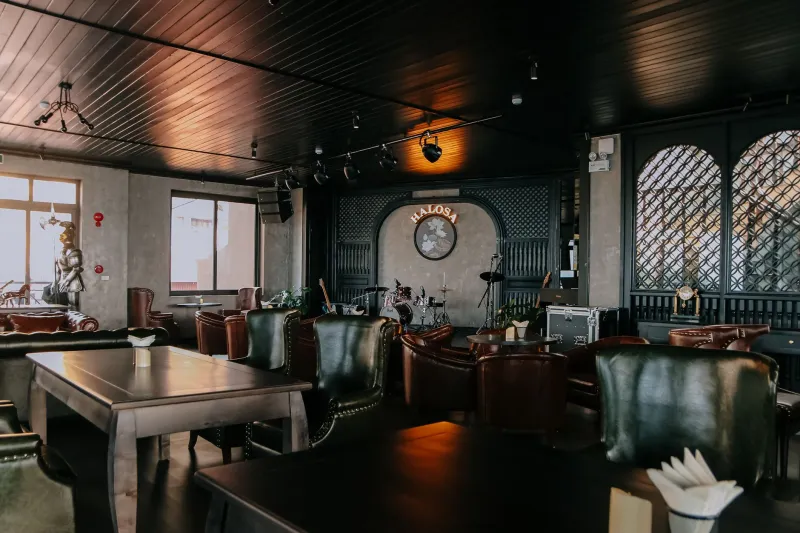
There's a venue in almost every American city that feels like it belongs to you. Maybe it's the dive bar with the sticky floors and the sound system that somehow still slaps. Maybe it's the black-box theater tucked behind a parking garage, or the listening room above the pizza place where the sightlines are perfect and the bartender knows your order. You've celebrated birthdays there. You've dragged first dates there. You've stumbled out of there at 1 a.m. feeling like the night actually meant something.
And then one day you walk past and there's a paper sign on the door, and the sign says something like Thank you for 12 incredible years, and you feel like someone punched you in the chest.
Here's the uncomfortable truth nobody really wants to say out loud: you probably helped put that sign there. Not by doing anything wrong, exactly. Just by only showing up when it was easy.
The Math Behind the Magic
Venues don't survive on the nights you're already planning to attend. The sold-out show with the buzzy regional act? That's a good night, sure. The festival weekend where the line wraps around the block? Great. But those events are relatively rare, and the rent is monthly.
What actually keeps a venue financially alive between the marquee moments is the calendar filler — the stuff that looks a little weird on paper. The Wednesday improv showcase. The acoustic ambient set from a musician whose name you don't recognize. The poetry slam that draws maybe 40 people if the weather cooperates. The experimental theater piece that's been described, charitably, as challenging.
These events don't just exist to fill space. They're the financial connective tissue of a venue's operating model. Cover charges, bar tabs, ticket splits with performers — it all adds up. A venue running five or six events a week needs at least a few of those nights to hit a meaningful threshold, or the whole operation starts bleeding.
When the off-peak programming consistently draws thin crowds, venues face a choice: cut those events (which shrinks the calendar and the revenue base further), raise prices on the good nights (which frustrates loyal regulars), or quietly start falling behind on the kinds of maintenance and investment that keep a space feeling alive. None of those options are great.
What "Loyalty" Actually Means
We talk a lot about being loyal to local venues, but loyalty tends to get defined pretty narrowly. People say they're loyal to a spot because they go there for every big show. Because they recommend it to visitors. Because they follow the Instagram and like the posts.
That's all fine, but it's surface-level support. Real loyalty looks more like showing up on a random Thursday because the venue put something interesting on the calendar and you decided to trust them.
Think about how that works from the venue's side. When a booker or a programming director takes a chance on an unusual act or an unconventional event format, they're making a bet. They're saying: I think our audience is curious enough and adventurous enough to come out for this. When the room is empty, that bet loses. When it happens repeatedly, the venue stops making those bets. The calendar gets safer, blander, more predictable — and the thing that made the space special in the first place quietly disappears.
Your presence at the weird stuff is literally how venues learn that it's worth taking risks. It's a feedback loop, and right now in a lot of cities, that loop is broken.
The Regulars Who Get It
Spend any time around the people who actually keep local venues running — the staff, the long-time bookers, the bartenders who've been there a decade — and you'll notice they talk about certain regulars in a specific way. Not the people who show up for the big names, but the ones who just... show up. The couple who comes out for the experimental jazz quartet on a Tuesday. The group of friends who buys tickets to the one-act play festival every year even though they'd never describe themselves as theater people.
Those regulars are worth more to a venue's survival than three times as many fair-weather attendees. They provide something money can't fully replicate: a reliable floor. A baseline. The assurance that even on a slow night, there will be some energy in the room, some bar tabs getting run, some human warmth that keeps the place feeling like a place.
And honestly? Those are usually the people who end up having the best stories. The show nobody else was at. The performer who went on to something big. The night that became a weird inside reference for years afterward.
How to Actually Do This
None of this requires you to become a cultural martyr, dragging yourself to events you genuinely have no interest in. The goal isn't suffering through bad programming out of obligation. It's more about shifting your default decision-making slightly.
Next time you see something on your favorite venue's calendar that you'd normally scroll past — the comedy open mic, the local playwright's first production, the DJ you've never heard of — give it a fair look before dismissing it. Ask yourself if you're skipping it because it actually sounds unappealing, or because you're just defaulting to the path of least resistance.
A few practical ways to build this habit:
Sign up for the venue's mailing list and actually read it. Not just the featured events — the full calendar. Venues put genuine effort into that programming, and there's usually something buried mid-week that's worth a shot.
Set a loose personal challenge. Once a month, attend one event at a place you love that you wouldn't have gone to otherwise. You don't need a rule, just an intention.
Bring someone. The weird stuff is almost always more fun with company, and you're doing two things at once — supporting the venue and introducing a friend to a space they might fall in love with.
Spend something. Even if the event is free, buy a drink. Tip well. The economics of venue survival run on margins that are genuinely thin, and a few extra dollars on a quiet night matters more than you'd think.
The Relationship Goes Both Ways
Venues that thrive long-term tend to have a particular quality: they feel like they're in conversation with their community. The programming reflects what the neighborhood is curious about, what it's willing to try, what it wants to celebrate. That conversation only works if both sides are actually participating.
When you show up for the strange Tuesday night thing and it turns out to be genuinely great, that's the venue delivering on its end of the deal. When you show up even when you're not sure, that's you holding up yours.
The spaces you love didn't happen by accident. Someone built them, someone books them, someone keeps the lights on and the sound system running and the calendar full of things worth doing. The least interesting version of being a regular is only showing up when the room is already packed. The most interesting version is being part of the reason the room stays open at all.
Your favorite venue needs you to show up for the weird stuff. Not as a favor. As a partnership.