They're Talking About You at the Bar (And Not Always in a Bad Way)
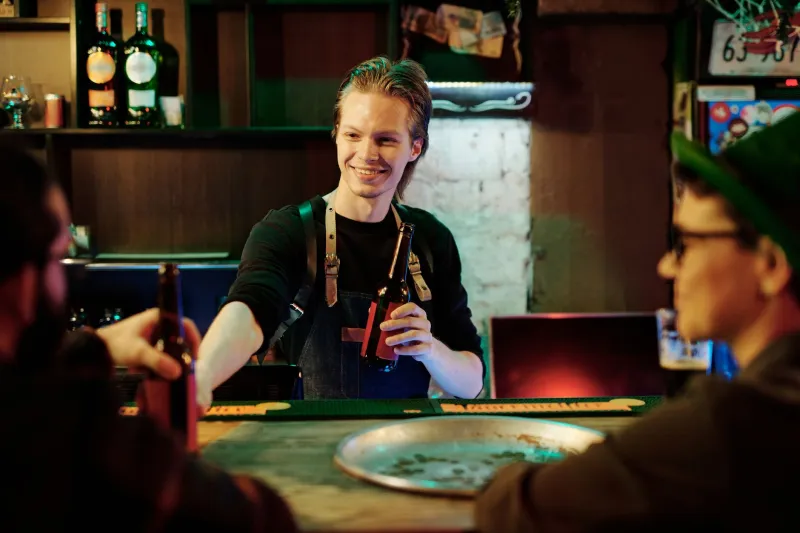
You walk into your favorite spot on a Friday. The bartender gives you a nod before you even reach the rail. The door guy waves you through without checking your ID. It feels like nothing — just a familiar routine. But here's the thing: that ease didn't happen by accident, and it didn't come free. You earned it, whether you were trying to or not.
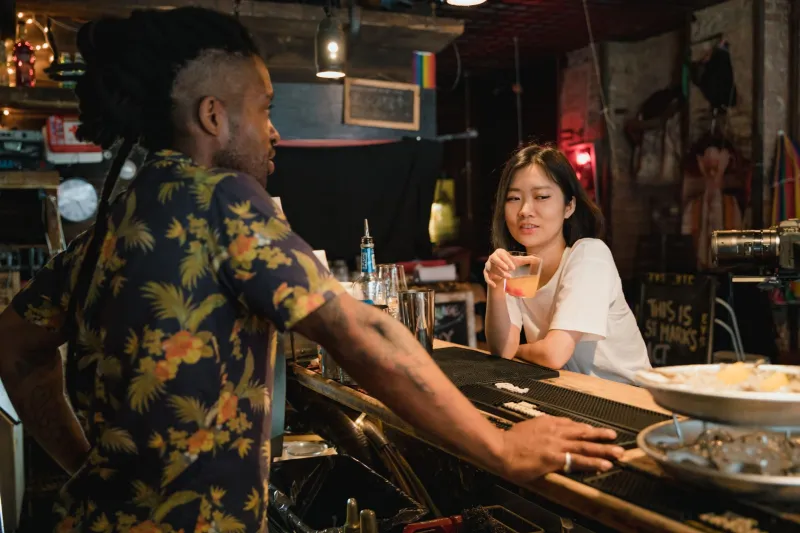
Venue staff talk. A lot. Not in a gossipy, mean-spirited way — more like the way any team debriefs after a long shift. Who tipped well, who caused a scene, who showed up three Thursdays in a row and actually stuck around for the local opener. These conversations shape how you're perceived inside a space you probably think of as anonymous. Spoiler: it's not anonymous at all.
The Staff Memory Is Longer Than You Think
Bartenders and floor staff work long hours in tight spaces with the same rotating cast of faces. Their recall for regulars is genuinely impressive — sometimes uncomfortably so. They remember what you drink, who you usually come with, how you act when the crowd thins out versus when the room is packed. They notice if you tip differently depending on how busy it is. They definitely notice if you don't tip at all.
This isn't surveillance — it's just pattern recognition built from repetition. After enough Saturdays, your behavior becomes as readable as a menu. The good news is that most of what gets remembered is actually positive. Venues want to like their regulars. A familiar face who shows up consistently, treats the staff like humans, and actually engages with the programming is basically a venue's dream customer. You're what keeps the lights on between the big-ticket weekends.
What Actually Gets You Remembered Fondly
Let's get specific, because vague advice like "be nice" doesn't help anyone.
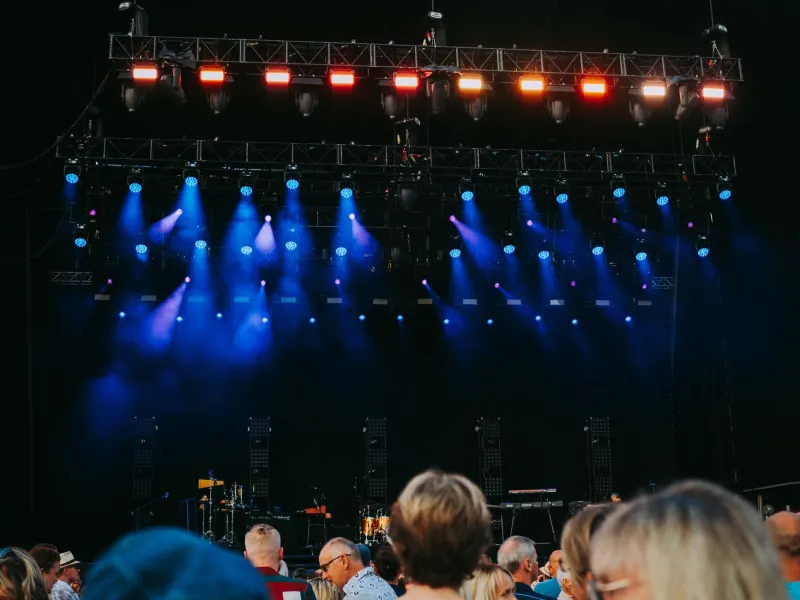
Showing up for shows that aren't sold out — especially for local or lesser-known acts — gets noticed more than you'd expect. Promoters track attendance obsessively, and when the same person keeps showing up for the mid-tier bills, that registers. You become associated with genuine taste rather than hype-chasing, which is a reputation worth having.
Being easy to serve matters enormously. That means knowing what you want when it's your turn at the bar, not flagging down staff for fifteen minutes to order water, and reading the room well enough to know when someone's slammed. Regulars who understand the rhythm of a busy service shift are quietly celebrated.
There's also the social dimension. People who bring new faces in — friends visiting from out of town, coworkers they're introducing to the spot — are genuinely valued. You're doing unpaid promotional work, and the staff knows it. That goodwill accumulates.
The Moments You Thought Nobody Saw
Here's where it gets a little uncomfortable.
That argument you had near the merch table? Someone watched the whole thing. The time you were rude to a barback because you thought they were just a busser? Noted. The night you got way too loud during a quiet set and kept getting shushed by people around you? The sound tech was watching from the booth and mentioned it afterward.
None of this necessarily follows you forever. People have bad nights; staff understand that. But if the same behavior repeats, a reputation forms. "That person" is a real category in every venue's internal vocabulary — not a formal blacklist, just a shared understanding among staff that certain regulars require extra management. Being in that category means slower service, less warmth, and a general low-grade friction that you might not even consciously register but absolutely feel.
The drama that spills in from outside — the ex you brought who caused a scene, the friend group that imploded publicly — also gets absorbed into your profile. You might not have caused it, but proximity matters. Venues remember the context, not just the individual.
What Promoters Are Actually Paying Attention To
Promoters operate on a slightly different frequency than bar staff. They're thinking about attendance curves, ticket sales by day-of versus advance, and which regulars actually move the needle on a bill.
If you've ever shared a show on social media, bought your ticket early, or brought three people who wouldn't have come otherwise, a good promoter has mentally filed that away. These are the people who get put on early access lists, who get a heads-up when something special is being planned, who occasionally get comped without fully understanding why. It's not random — it's a quiet acknowledgment that you're part of the ecosystem rather than just extracting from it.
On the flip side, chronic no-shows — people who buy tickets and disappear — create real problems. Venues plan staffing and inventory around projected attendance. When ticketed buyers ghost, it creates operational headaches. Do it repeatedly and you become a liability in a promoter's mental spreadsheet, even if you never meant any harm.
How to Actually Become Part of the Scene
None of this is about performing for an audience. The regulars who are genuinely respected at their local spots aren't working an angle — they're just people who show up authentically and treat the space with some basic consideration.
A few things that actually move the needle:
Learn names when they're offered. If a bartender introduces themselves, use it. It costs nothing and signals that you see them as a person rather than a drink dispenser.
Stay for the show. This sounds obvious, but the number of people who buy tickets and spend the whole night in the back near the bar — barely watching — is genuinely high. If you came for the music, watch the music. It matters to everyone involved.
Engage with the space between events. Follow the venue on social media. Share the shows you're going to. Leave a review that mentions something specific. These small acts of support are noticed more than you'd think, especially at independent spots running on tight margins.
Handle your bad nights graciously. If you had too much to drink, apologize to whoever you inconvenienced and don't make it a whole thing. Owning a rough night goes a long way toward resetting how you're perceived.
The Reputation You're Building Without Realizing It
Every time you walk into a local venue, you're adding a data point to a portrait that staff are painting whether you asked them to or not. The good news is that portrait is almost entirely within your control. You don't need to be the most interesting person in the room or the biggest spender at the bar. You just need to show up consistently, treat people decently, and actually engage with what the space is trying to do.
Do that, and the nod from the bartender isn't just familiarity. It's a small acknowledgment that you've become part of something — a real, living local scene that runs on exactly this kind of mutual investment. That's worth more than any VIP upgrade.