Cross-Town Is the New Local: The Case for Leaving Your Zip Code on a Tuesday
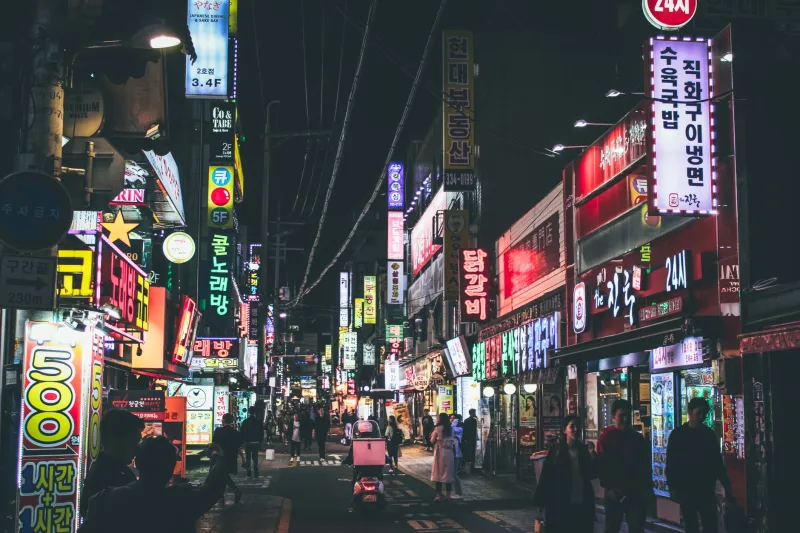
Ask anyone what 'local' means and they'll describe a bubble. It's the coffee shop on the corner, the bar with the patio, the venue they can walk to before the opener goes on. It's comfortable. It's also, if we're being honest, a little boring — and it might be the reason you haven't seen a great show in months.
Here's an uncomfortable question: when was the last time you deliberately went somewhere in your own metro area that required crossing a highway you don't normally cross?
The 15-Minute Bubble Is a Lie
There's a phenomenon urbanists have noticed for years: people's actual activity radius is wildly smaller than their driving radius. You might live twenty minutes from a thriving strip of venues, restaurants, and galleries — but if it's in the 'wrong' direction from your commute, it might as well be in another state.
The math doesn't hold up. You'll sit in traffic forty-five minutes each way for a concert downtown, but a blues night fifteen minutes east of your apartment? 'That's kind of far.' Far compared to what? Your couch?
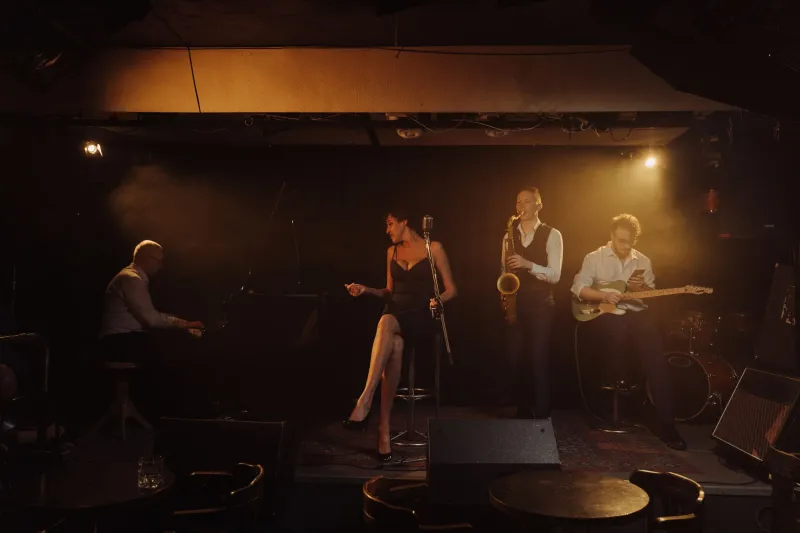
The truth is that most American cities — even the big ones — are really collections of neighborhoods, each with their own micro-scene. The indie rock room on the west side, the comedy basement in the old warehouse district, the family-run theater two suburbs over that books touring folk acts nobody's heard of yet. These scenes don't advertise to you. They don't need to. They're full of regulars who live nearby and never bothered to tell anyone else.
That's the opportunity. The event you've been waiting for — the one that finally comes to your neighborhood — is probably already happening one neighborhood over, every single week, to a crowd that will be shocked when you tell them you've never been.
Why Nobody Crosses the River
Psychologists call it the local search bias: when given the choice, we default to what's closest, even when the alternative is measurably better. Apps reinforce it. Search 'live music near me' and you get a radius-filtered list that quietly erases half your city.
There's also a social cost we overestimate. Showing up somewhere unfamiliar feels risky. Will you know anyone? Will the crowd be weird about newcomers? (They won't. Nobody has ever been weird about a newcomer at a Tuesday night jazz set. They will, however, be delighted.)
And then there's inertia — the strongest force in entertainment. Staying in requires no decisions. Going out requires a dozen. The fifteen-minute drive is rarely the real barrier; it's just the excuse the brain reaches for first.
How to Redraw Your Map
If you want to expand your radius without turning it into a research project, here's the playbook:
Pick a direction, not an event. Once a month, choose a compass point you never visit. Look up what's happening there on any given weekend. You're not hunting for something specific — you're auditing a whole scene you've been ignoring.
Follow the venue, not the band. If a room two towns over books acts you love, put it on your radar permanently. Venues are curators. Trust the ones that keep surprising you.
Recruit one co-conspirator. Cross-town trips are easier in pairs. Make a standing deal: alternating months, alternating neighborhoods, no vetoes.
Arrive early and eat there. The easiest way to turn a fifteen-minute drive into a real night out is to anchor it with dinner. Suddenly you're not 'going to a show' — you're spending an evening in a neighborhood that's been there all along.
Keep a running list. Every time someone mentions a spot you've never heard of, write it down. That list becomes your expansion plan.
What You Get for Fifteen Minutes
Here's what actually happens when you start crossing town: your definition of your city gets bigger, and your options multiply overnight. The Saturday that 'nothing's going on' becomes impossible, because something is always going on — you just couldn't see it from where you were standing.
You also get in on the ground floor. Neighborhood scenes are where the interesting stuff happens first, before it gets big enough to tour through the shiny downtown rooms. The band everyone's talking about next year is playing a room above a hardware store right now, twenty minutes away, for twelve dollars.
The best part? You don't have to commit to anything. You're not pledging allegiance to a new neighborhood. You're just refusing to let an invisible boundary decide what you get to see.
Fifteen minutes. That's the whole ask. Less time than you'll spend tonight deciding what to watch.
The city is bigger than your bubble. Go find out by how much.