First to Know: A Local's Playbook for Finding the Next Big Thing Before Everyone Else Does
Photo: Y. Beletsky/ESO, CC BY 4.0, via Wikimedia Commons
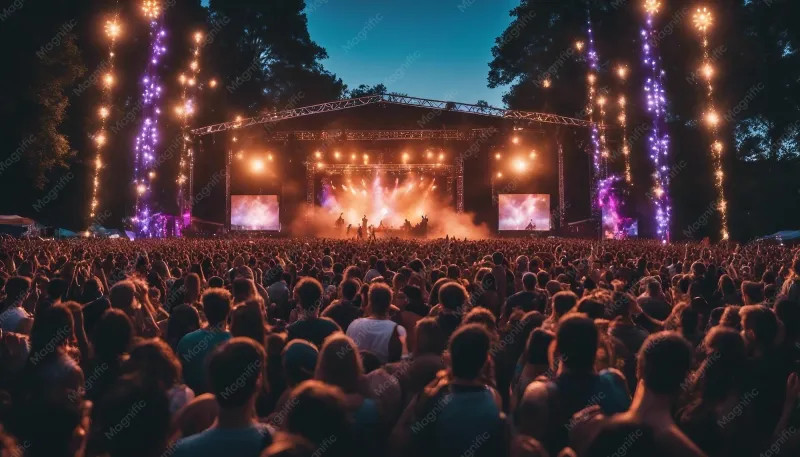
Every city has a moment — usually sometime in the fall or spring — when a small show at a 200-capacity venue sells out in twelve minutes and everyone suddenly knows the name of the artist playing it. Six months later, that same artist is headlining an outdoor amphitheater and tickets are $85 before fees. The people who saw them in the small room? They have a story for life.
Being one of those people isn't about having industry connections or spending hours online. It's about training your eye to notice the signals that are already out there, hiding in plain sight.
Why Mainstream Calendars Are Always Late
Here's the dirty secret of most local event listings, including the ones published by well-meaning entertainment sites (yes, even us): by the time something makes it onto a curated calendar, it's already been vetted, promoted, and in many cases, half-sold. The discovery phase is over.
The underground cultural circuit operates on a completely different timeline. A band builds a local following through six months of weeknight shows before anyone writes about them. A theater company workshops a production in a church basement for a year before it gets reviewed. A food-and-music popup runs three events before it gets a mention in a lifestyle column. The gap between happening and covered is where the real action lives.
To find it, you need to work upstream.
The Venues You Should Already Be Following
Every city has a handful of spaces that consistently punch above their weight — small venues, DIY spaces, community arts centers, and independent theaters that book acts based on artistic instinct rather than ticket-sale projections. These are your anchors.
In most mid-sized to large American cities, look for:
- All-ages venues and DIY spaces — These operate on shoestring budgets and book acts nobody else will touch yet. The crowd is younger, the vibe is raw, and the discovery rate is off the charts.
- Independent record stores with event calendars — Shops like these have been the unofficial nerve centers of local music culture for decades. Their in-store events and posted flyers are curated by people who actually care.
- Black box and fringe theaters — Regional theater's equivalent of the small club, these spaces take creative risks that bigger venues won't. A fringe production that sells out three weekends in a row has nowhere to go but up.
- Cultural centers tied to specific communities — Latino arts centers, LGBTQ+ community spaces, Asian cultural organizations — these venues often incubate artists and performers who are building passionate, loyal audiences before they ever reach a general market.
Start by identifying three to five of these in your area and follow them everywhere — Instagram, email newsletter, website. Make it a habit to check their calendars the way you check the weather.
Reading Social Media Like a Tastemaker
The algorithm is not your friend here. Social media platforms are designed to show you what's already popular. To find what's about to be popular, you need to go off-algorithm.
Follow local promoters, not just artists. Promoters are connective tissue. A good independent promoter in your city books based on taste, not data. If they've put on three shows you loved, trust the fourth one blindly.
Watch who local artists are tagging. When a musician you respect posts a show they're excited to attend — not perform at, just attend — that's a signal worth acting on. Artists follow artists, and the respect runs ahead of the hype.
Search location tags at small venues. Pull up a venue's location tag on Instagram and scroll through recent posts. You'll see real audience reactions, not press releases. A dozen posts all saying some version of "I can't believe more people don't know about this" is one of the most reliable signals in the game.
Join local Facebook groups and Reddit communities. Yes, really. For all the platform's flaws, local music and arts Facebook groups are often hyperactive with genuine community members sharing tips, flyers, and opinions. City-specific subreddits (r/[yourcity]music, r/[yourcity]events) have the same energy. These are not algorithm-optimized — they're just people talking.
The Human Intelligence Network
No platform beats a well-placed conversation. Local tastemakers — the people who consistently find the next big thing first — almost universally say the same thing: they talk to people.
Denise, a 41-year-old event photographer in Chicago who has documented artists before their first major press, describes her approach simply: "I talk to bartenders at music venues, I talk to the merch person, I talk to whoever's running sound. These people see everything. They know who killed it on a Tuesday night when thirty people were there. They're the real scouts."
That's a repeatable strategy. After a show you loved, introduce yourself to the sound engineer. Ask the bartender who their favorite recent booking was. Chat with the person running the door. These folks are embedded in the local scene in ways that no publication or algorithm can replicate.
Ticket sellers and venue managers are worth cultivating as acquaintances too. Many venues have mailing lists that go out before public announcements. Getting on those — sometimes just by asking — puts you in a tier of awareness that most casual fans never reach.
Patterns That Signal Something's About to Pop
Once you're plugged in, you start to recognize the pattern. A few things that reliably precede a breakthrough:
- Rapid venue upgrades. An artist goes from a 100-cap room to a 300-cap room in under six months. That's not random — someone is buying tickets.
- Cross-genre buzz. When a hip-hop producer is talking about a folk singer, or a jazz club starts booking a rock band, something is cutting across taste communities in an unusual way.
- Sold-out weeknight shows. People give up a lot to go to a show on a Wednesday. If something is selling out midweek, the audience is committed in a way that weekend crowds often aren't.
- Repeat attendees. If you go to two shows at a small venue and see the same ten faces both times, you're looking at the seed of a devoted fanbase. Get curious about what they're there for.
Being Early Is Its Own Reward
There's something that happens when you're in a small room watching someone perform before the world knows their name. The energy is different. The artist is still figuring out who they are on stage, and you get to be part of that process. The connection between performer and audience is tighter, more electric, less mediated by expectation.
And when they blow up — when your friends start sending you their Spotify links like it's breaking news — you get to smile and say, yeah, I saw them at the Rec Room in March. It was forty people and the most incredible thing I've seen all year.
That's not just bragging rights. That's what being a real part of your local cultural scene actually feels like.