Beyond Downtown: Why Entertainment Deserts Exist and How to Find the Good Stuff Hiding in Plain Sight
Open any event app in your city right now. Take a good look at the map view. Odds are, the pins cluster in one predictable zone — downtown, maybe a trendy adjacent neighborhood or two — and then it just... stops. Huge swaths of your city, full of people who also want to go out, eat good food, and catch live music, show up completely blank.
That's not an accident. And it's not because those neighborhoods don't have anything happening.
The Geography of Who Gets Booked
Venue geography is a business decision before it's anything else. Promoters book where they expect ticket sales, and ticket sales follow foot traffic, parking availability, transit access, and the kind of demographic data that gets sliced and diced in ways that often disadvantage lower-income neighborhoods and communities of color.
"We did a show in a neighborhood on the east side two years ago," said one independent promoter in a mid-sized Midwest city who asked not to be named. "Great turnout. People were hungry for it. But we got pushback from our usual sponsors because it wasn't the 'right' zip code for their brand. So we went back downtown."
That cycle — sponsor dollars following perceived prestige, prestige following sponsor dollars — is a big part of why entertainment deserts form and stay formed. It's not that the audience isn't there. It's that the infrastructure and investment don't follow.
Zoning plays a role too. Many outer neighborhoods have strict noise ordinances, limited late-night liquor licenses, or commercial corridors that were never designed with live entertainment in mind. Building a venue from scratch in those areas requires capital that most independent operators simply don't have.
What's Actually Out There (That Nobody's Talking About)
Here's the thing: entertainment deserts are often less empty than they look. The programming just doesn't make it onto the apps.
Community centers. Church fellowship halls. Parking lots behind Caribbean restaurants on a Saturday afternoon. The VFW post that hosts a blues jam every third Friday. The Ethiopian coffee shop that quietly became a gathering spot for local poets. None of these show up on Eventbrite. Most of them don't have Instagram accounts with more than 400 followers. But they're real, they're consistent, and in a lot of cases, they've been running longer than the downtown venues everyone talks about.
"The programming is there," said a community arts organizer based in a South Side Chicago neighborhood. "It just doesn't speak the language that mainstream event platforms are looking for. No ticketing integration, no QR codes, no social media budget. So it becomes invisible to people who rely on those tools."
The result is a two-tier cultural economy: a visible, well-documented scene that gets press coverage and playlist placements, and a parallel world of events that sustains entire communities without ever getting a write-up.
Building Your Own Map
If you're serious about finding what's actually happening across your whole city — not just the parts that get curated for you — you're going to have to do a little legwork. Here's where to start.
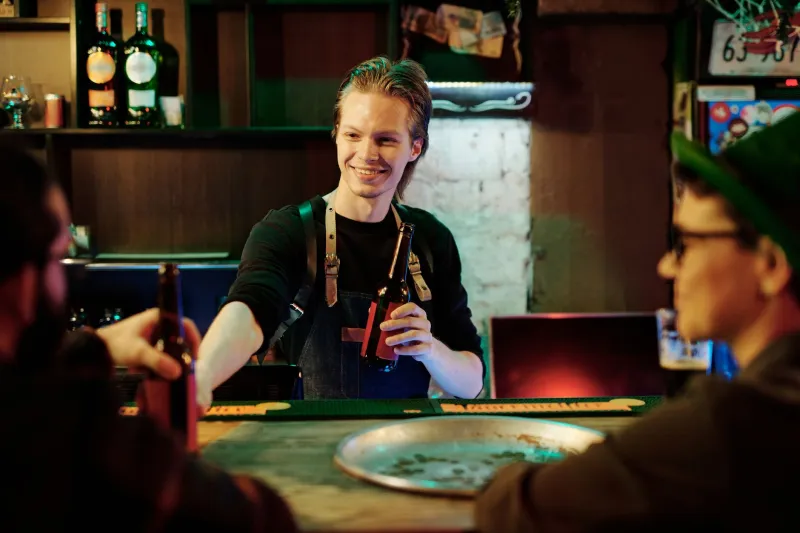
Talk to people at the venues you already go to. Bartenders, sound engineers, and touring musicians who play regional circuits often know exactly where the overlooked gems are. Ask specifically about neighborhoods outside the usual zones.
Check neighborhood Facebook groups and Nextdoor. It sounds low-tech, but community social media is where a lot of grassroots events actually get promoted. Search for terms like "live music," "community event," or "open mic" within groups tied to specific neighborhoods.
Find the local cultural liaisons. Most cities have arts councils or cultural affairs offices that fund programming in underserved areas. Their websites — often buried under city government portals — can be goldmines for events that never make it to mainstream listings.
Follow the food. Ethnic grocery stores, international restaurants, and community markets are frequently anchors for cultural programming that doesn't get mainstream coverage. A quick Google Maps search for cultural food corridors in your city can point you toward neighborhood hubs worth exploring.
Look for the flyer stacks. Laundromats, barbershops, nail salons, and bodegas in outer neighborhoods still run on physical flyers in a way that downtown venues mostly don't. If you're physically in a neighborhood, keep your eyes open.
The Transit Problem Nobody Wants to Talk About
Even when people find out about events in unfamiliar parts of their city, getting there is its own obstacle. American cities are, with some notable exceptions, built around cars. If you don't have one — or if you're not comfortable navigating an unfamiliar area at night — the entertainment desert becomes a practical barrier, not just a discovery problem.
Some cities are starting to address this through late-night transit expansion, but progress is slow and inconsistent. In the meantime, a few workarounds are worth knowing:
- Rideshare pools with other attendees. If an event has a public Facebook page or group, you can often find or propose carpool arrangements in the comments.
- Check for venue-specific shuttle service. Some larger community events in outer neighborhoods arrange shuttle runs from central transit hubs. It's worth asking organizers directly.
- Go with someone who knows the area. This sounds obvious, but it's underrated. Local knowledge makes navigation easier and the experience richer.
Why It Matters Beyond Just Finding a Good Night Out
This isn't purely a consumer convenience issue. Entertainment deserts have real consequences for the cultural health of a city. When all the investment and attention concentrates in one zone, the stories, sounds, and art forms that don't originate there get systematically underrepresented — not because they're less interesting, but because they're less accessible to the people writing the checks and the reviews.
Venue owners in overlooked neighborhoods often operate on thinner margins with less institutional support, which means they close more often and get replaced less reliably. Every time that happens, a community loses a gathering space that took years to build.
Going out of your way to show up — literally — is one of the more direct things a regular person can do to push back against that pattern. The map you're working from right now was built by other people's choices. You can build a better one.
Start with one neighborhood outside your usual circuit. Go once. See what's there. Chances are, you'll be surprised.