The Unsung Faithful: Why Your City's Midweek Regulars Are the Real Engine Behind Local Culture

Walk into almost any beloved local venue on a Wednesday night and you'll notice something the weekend tourists never do: the same faces. Not just vaguely familiar — actually the same people, week after week, occupying the same corners, laughing at the same inside jokes with the same bartenders. They tip well. They stay late. They don't need a sold-out show or a viral Instagram post to justify the trip out.
These are the weeknight regulars. And they are, quietly, the most important people in your city's cultural ecosystem.
More Than Just Bar Flies
It's easy to dismiss the midweek faithful as people with too much free time or nowhere better to be. That reading is wrong — and frankly, a little insulting. Talk to enough of them and you'll find teachers, nurses, freelancers, chefs, and creatives who've deliberately structured their social lives around off-peak nights. For many, the weeknight scene isn't a fallback. It's a preference.
"I genuinely like it better on Tuesdays," says Marcus, a 34-year-old graphic designer who's been a regular at a jazz bar in his midsize Ohio city for nearly six years. "The crowd is smaller, the staff actually has time to talk to you, and the musicians are more relaxed. It feels like you're part of something instead of just standing in a crowd."
That sense of belonging isn't accidental. It's cultivated — by the regulars themselves and by the venues smart enough to nurture it.
The Economics Nobody Talks About
Here's the financial reality most venues don't advertise: weekends cover the spectacle, but weekdays cover the bills. Rent, utilities, staff wages, and licensing fees don't pause between Friday and Saturday. A venue that only draws crowds on weekends is essentially operating at a loss for half its open hours.
Enter the regulars.
"Our Thursday crowd alone keeps us from having to make really painful decisions," admits Diane, who co-owns a small live music bar in Nashville. "We're talking about maybe 40 to 60 people on a given Thursday — not a massive number — but they spend consistently, they don't need heavy promotion to show up, and they bring new people in by word of mouth. That's incredibly valuable."
Venue economists — a real, if informal, profession — often talk about the concept of a "floor" for survival. Weeknight regulars are that floor. They smooth out the revenue curve that would otherwise spike on weekends and crater mid-week, making it nearly impossible to plan staffing, book talent, or negotiate leases with any confidence.
The Unspoken Contract
There's a social contract at work here that doesn't get discussed enough. Regulars show up. In return, venues take care of them — sometimes in ways that are hard to quantify.
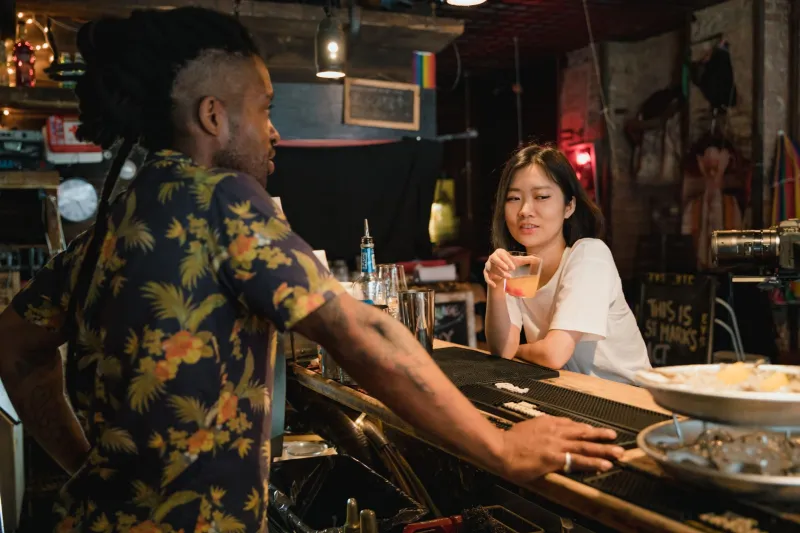
It might be a bartender remembering your order without being asked. It might be a venue owner texting you personally when a band you love is coming through. It might be being waved past a line, getting a heads-up about a last-minute show, or simply being treated like a person rather than a transaction.
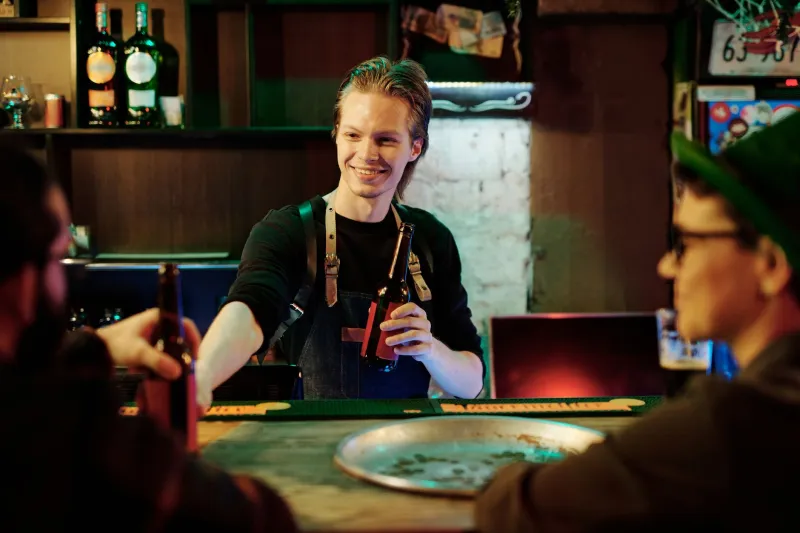
"There's a guy who comes in every Tuesday," says James, a bartender at a craft cocktail bar in Austin. "He's been coming for four years. We don't even write his order down anymore. When he had a rough patch last year — lost his job, going through some stuff — he'd still come in, and we'd make sure he felt welcome without making it weird. That's what this place is for him. You can't put a dollar amount on that."
For the regulars, the relationship isn't purely transactional either. Many describe a genuine sense of responsibility to the places they love.
"I know that if I don't show up, the bartenders I like might not get good shifts," says Priya, a 29-year-old who's been a fixture at a Chicago neighborhood bar for three years. "That might sound dramatic, but it's true. I feel like I'm part of keeping this place alive. And I want to keep it alive."
What They See That You Don't
Weeknight regulars also function as informal cultural curators. They're the ones who catch an unknown opener on a slow Tuesday and tell twelve people about it by Thursday. They're the ones who notice when a venue starts slipping — when the sound system hasn't been maintained, when staff morale is tanking, when the booking has gotten lazy. And they're usually the first to notice when something special is happening before anyone else does.
"I've seen careers start in this room," says Marcus. "Bands that played to fifteen people on a Wednesday who are now selling out 500-cap venues. I was there. I remember. That's not nothing."
Venue owners often describe their regulars as their most reliable feedback loop. No survey, no Yelp review, no social media comment section gives you the honest, nuanced read that a longtime regular can offer in a five-minute conversation at the bar.
Why Venues Need to Double Down on This Relationship
In an era of algorithm-driven event discovery, rising ticket prices, and increasing competition from streaming and home entertainment, the case for cultivating weeknight regulars has never been stronger — or more urgent.
Venues that invest in these relationships — through loyalty programs, exclusive access, genuine personal connection — tend to weather downturns better than those chasing viral moments and weekend spikes. The math is simple: a customer who shows up 40 times a year is worth more than 40 customers who show up once.
But it goes beyond math. Regulars are advocates. They're the reason someone across town hears about your venue for the first time. They're the reason a musician books a return date. They're the reason a neighborhood feels alive instead of just busy.
"You can have a great weekend," says Diane. "But if your regulars stop coming on Tuesdays, you should be worried. That's your canary in the coal mine."
Show Up Before You Have To
If you've been meaning to become more plugged into your local scene — to actually know the people behind the bar, to feel like a real part of your city's cultural fabric — the entry point isn't a sold-out Saturday. It's a quiet Wednesday.
Go when it's not packed. Go when there's no pressure to be seen or perform. Go when the staff has time to actually talk to you. Go enough times that someone remembers your name.
Because the regulars who keep your favorite venues running didn't start out as regulars. They just kept showing up. And somewhere along the way, that became the whole point.